
5 things I learned from talking to Adaptive athletes
I've spent the last year talking to adaptive athletes for The Adaptive Athlete Podcast, and honestly, my empathy has grown more than I ever thought possible. Each conversation reinforces something pretty simple: we're all adapting to something. Some adaptations are just more visible than others.
Here are five things that keep coming up — lessons that go way beyond the gym.
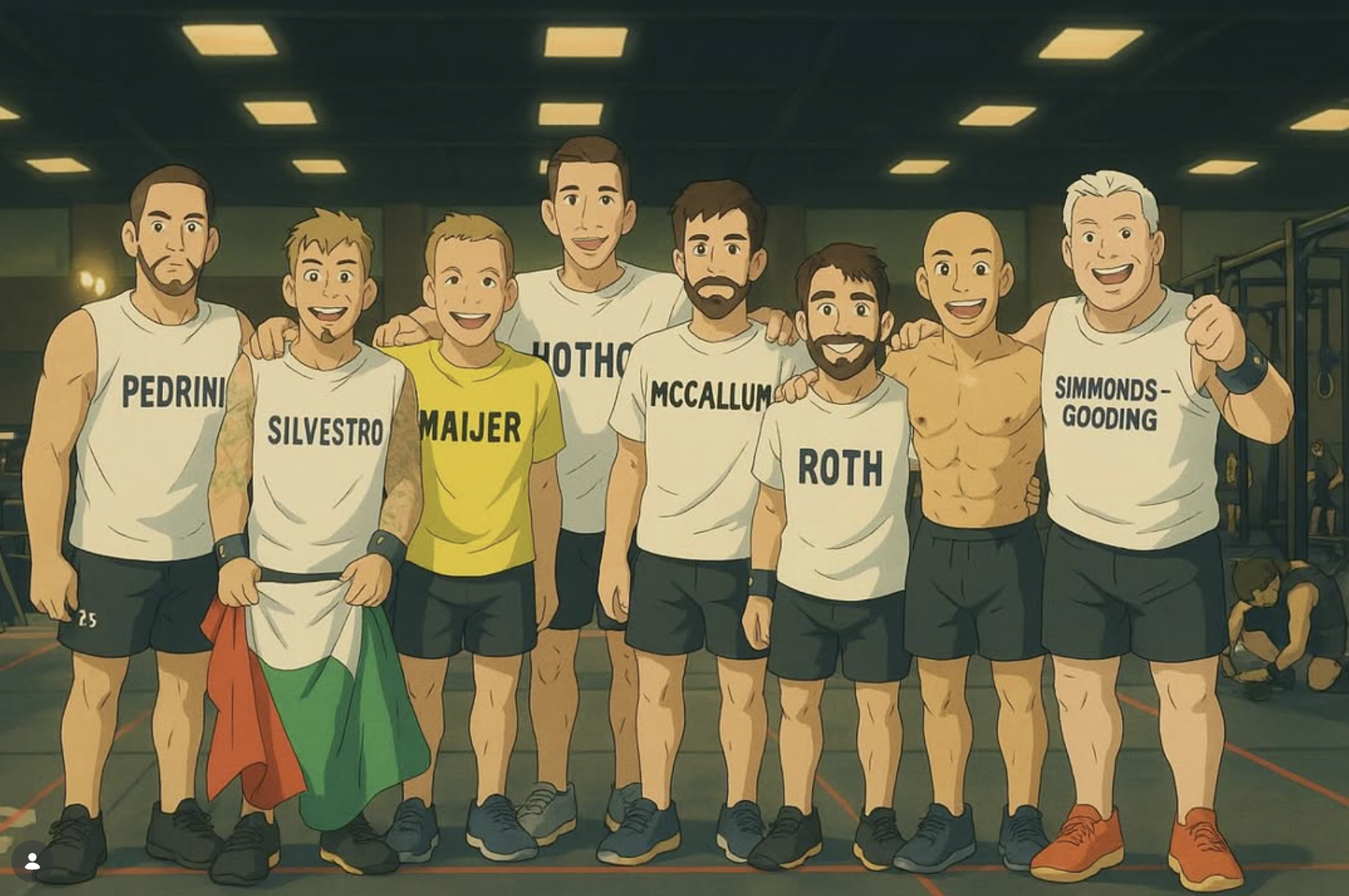
"Can't" Is Just "Not That Way"
Tom Miazga coaches adaptive athletes, and when someone in his gym says "I can't do that," his response is immediate: "No, you're just not going to do it that way. There's a different way about this."
Emily Saler said it like this: we're "the only ones that put limitations on ourselves." The athletes I've talked to don't accept "can't" as a final answer. They ask "how?" instead.
2. Adversity Is Built-In Opportunity
Amy Bream said something that has stuck with me: adaptive athletes have "a lot more built-in opportunity to overcome adversity than most people." Most of us will take the easier path when we have the option. Adaptive athletes often don't have that luxury—and that becomes our superpower.
Mike Egan put it this way after his 24-hour wheelchair distance world record: "Your pain isn't your story, it's just a chapter. So turn the page." Adversity can be destructive or transformative. The only difference? Mindset and what drives you forward.
3. Community Makes the Impossible Possible
Sean Eberle talked about his coach John Prescott acknowledging that he'd learn as much from Sean as Sean would from him. "That's such a cool feeling," Sean said. "That makes you feel good."
Brett Palser was clear: without strong community, success in adaptive CrossFit is nearly impossible. It's not just about coaches who know the right modifications. It's about a place where you're welcomed, where communication flows both ways, and where coaches learn alongside you.
4. Start Messy. Perfection Isn't the Goal
When we talk about the growth of adaptive CrossFit, the same theme comes up: you have to start somewhere, and it won't be perfect. Lexi Kuppler said it best: "Just do it because you'll never feel ready. Once you do it, you'll be pleasantly surprised at what you're capable of doing."
Dan Long echoed this: "The hardest part is starting it. Once you see that you can start to do things, your confidence builds."
Hailey Kuhn's first competition was the CrossFit Games in San Antonio—talk about jumping in the deep end. She showed up with anxiety about uniforms, athlete briefings, everything feeling "very official." But once she got through that first workout? "I was like, okay, I can relax a little bit now. I can talk to people and enjoy the day."
The sport is evolving because athletes are showing up and competing, not waiting until they feel ready. Progress requires participation, not perfection.
5. Your Adaptation Doesn't Define You. But It Can Empower You
Amy Bream doesn't want her missing leg to be "the first thing" people notice. She'd rather be seen as "a normal 33-year-old woman that's an athlete in the gym. And by the way, I have one leg."
At the same time, adaptive CrossFit has given me—and a lot of athletes—a way to find purpose in our disabilities. It's not about letting your adaptation define you. It's about integrating the resilience it's taught you. Kym Dekeyrel described it as a "Clark Kent Superman thing" — you can tap into the strength your adaptation forced you to develop when life gets hard.
The disability isn't the whole story. But it's also not something to hide. It's a chapter that made you stronger, more creative, more resilient. And that's worth celebrating.
The question isn't whether we'll face challenges. It's how we respond when we do.
